Early Farm History
Before 1790
The Early Days
Welcome to The Croft – a slice of Northern California’s rugged coastline.
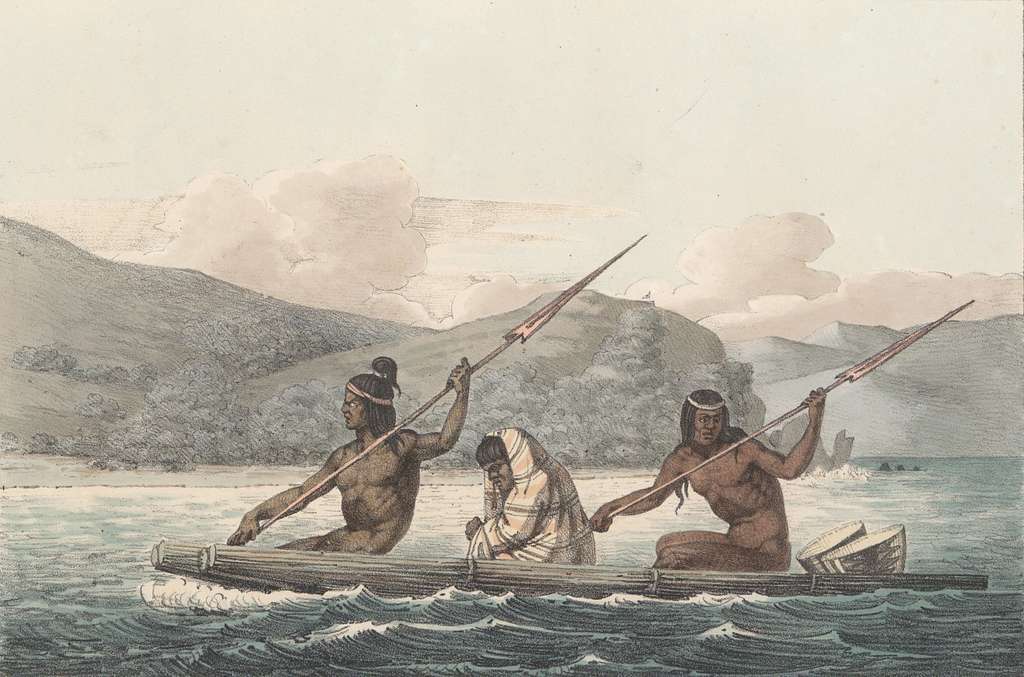
Just under a mile from the Pacific Ocean, this land was once home to the Quiroste Ohlone tribe of Native Americans. The area’s abundant food sources and mild climate meant that, unlike the lasting grandeur of 12th-century European cathedrals, The Ohlone's reed houses have faded into the breeze...
Still, nature holds the clues to their way of life. Look around the beaches for large middens -- giant piles of ancient trash -- where the tribe discarded shells from their plentiful catches.
They spoke Coastanoan, the language that even lent its name to nearby Costanoa – that delightful lodge I highly recommend for a getaway!
Fun fact: In these middens, you might discover remnants like animal bones, charred seeds, arrowheads, bone needles, and even jewelry made from shells. For a real-life peek into Ohlone history, visit the impressive midden at Ana Nuevo State Park – all while watching the local elephant seals in action!
1833-1850's
Mexican Rancho Pescadaro
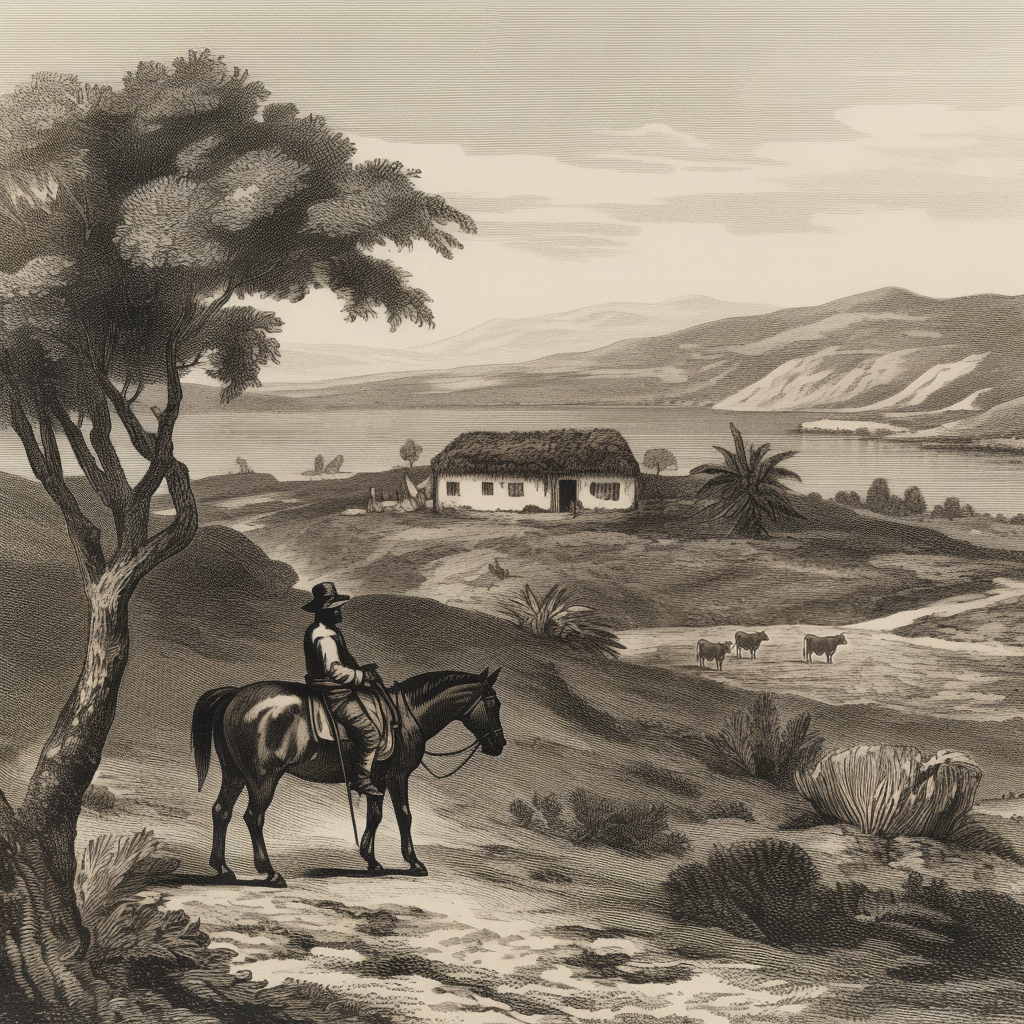
After Mexico’s independence from Spain in 1821, California became known as Alta California. Under Mexican rule, the government began handing out sprawling land grants—these were the ranchos that kick-started California’s cattle and farming culture.
In 1833, Alta California Governor José Figueroa granted 3,282 acres of rich farmland and rugged coastline—now home to our farm and the town of Pescadero—to Juan José González as part of Rancho Pescadero. Señor González had deep roots in California’s history. His family arrived in 1775 as part of the De Anza Expedition, and by 1833, he was mayordomo (head administrator) of Mission Santa Cruz, overseeing its vast holdings.
Rancho Pescadero wasn’t just any piece of property—it was a launchpad for the vibrant, ranch-life culture that defined the era. Cattle roamed free, and their hides became the main export of Alta California. Ships from Boston and elsewhere would come to California and return with over 40,000 hides in their hulls.
Ranchos were known for their hospitality, welcoming travelers who needed a place to rest along their journey. Guests could expect a warm meal, lively conversation, and a glimpse into the daily rhythms of ranch life.
Fun fact: The hide trade was a major economic engine back then, so much so that cattle hides, or "California banknotes" as they were called, became the currency of the West!
after 1850's
Farming
Once the Mexican-American War ended in 1848, the California Gold Rush began in 1849, and California became a state in 1850, property once again changed hands, and farming along the coast expanded. Eli Moore was the first to buy land in Pescadero from Juan José González, and the Moore Ranch remains a part of Pescadero’s landscape today.
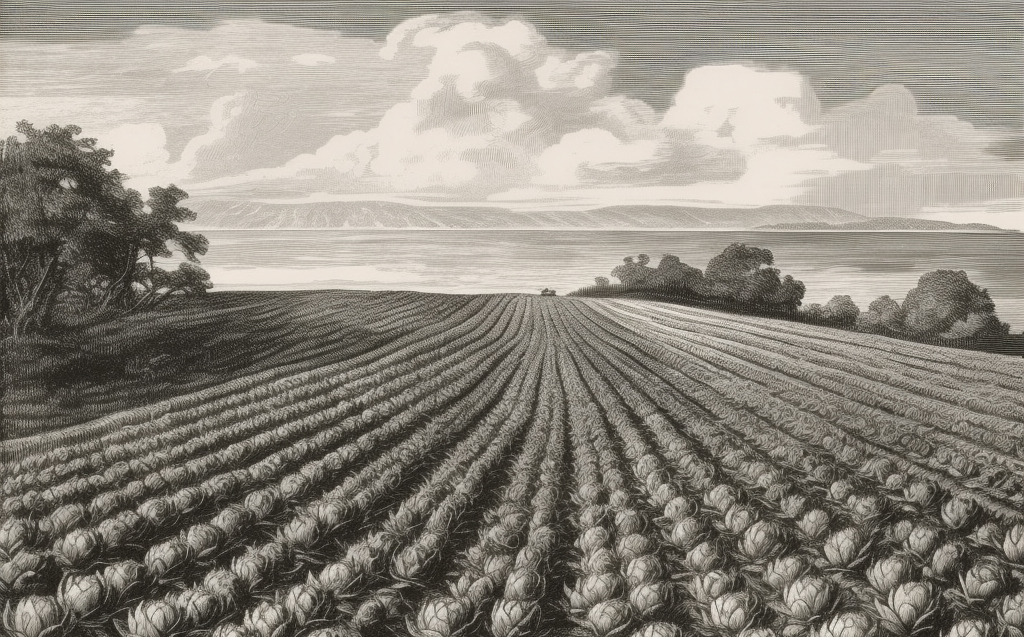
In the late 19th and early 20th centuries, the land was settled primarily by Italian and Portuguese immigrants, who cultivated artichokes in the fertile coastal soil. Our farm was once an Italian-run artichoke farm before taking on a new identity in 1989, when Neil and Alix purchased the land and transformed it into a willow grove.
Neil, an Australian horticulturist, and Alix, a British willow expert and champion Dressage rider, introduced rare and beautiful willow varieties from New Zealand and Australia, cultivating them for the weaving and floral trades. You can see the amazing work they do with willow here.
Fun Fact: A collection of willow trees is known as a grove or a copse, but not an orchard!