The Animals
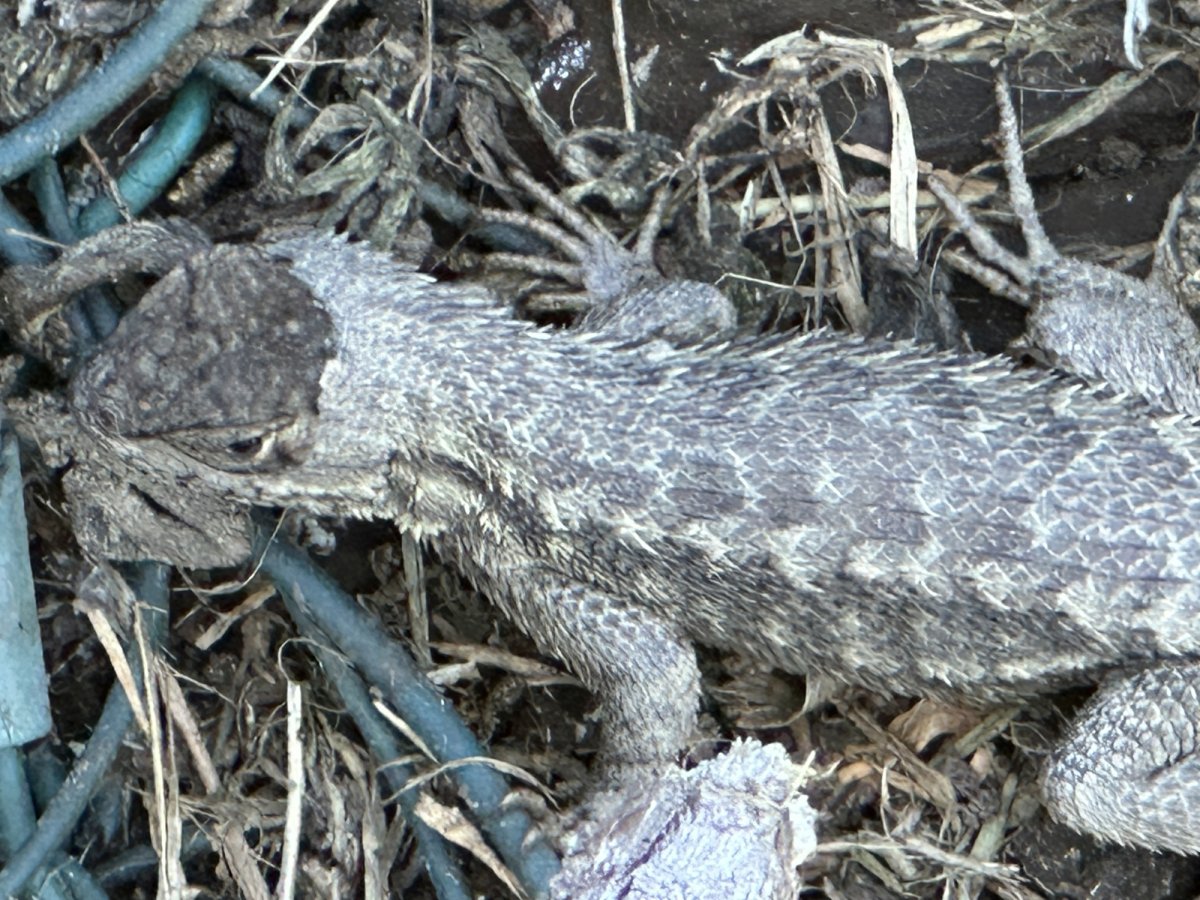
A Western Fence lizard
Sceloporus occidentalis
Also known as a Blue-belly, this lizard can really run.
Look at her head. It looks like she's molting, with the new darker skin on her head and the older skin from the neck down.
We like having her around. She keeps the farm healthy by eating all manner of bugs that the farm doesn't like, such as aphids and caterpillars.
There are five types of fence lizards. My guess is that she is a Coast Range Fence Lizard, Sceloporus occidentalis bocourtii.
Look at her head. It looks like she's molting, with the new darker skin on her head and the older skin from the neck down.
We like having her around. She keeps the farm healthy by eating all manner of bugs that the farm doesn't like, such as aphids and caterpillars.
There are five types of fence lizards. My guess is that she is a Coast Range Fence Lizard, Sceloporus occidentalis bocourtii.
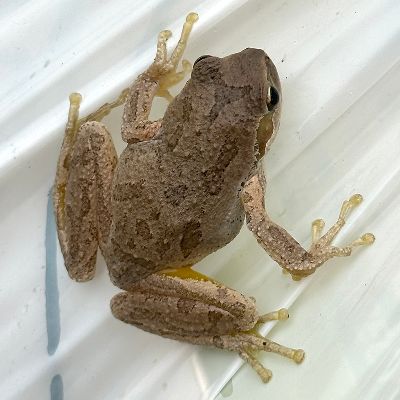
A Central Pacific Chorus frog
Pseudacris sierra
They really croak in the evening, and sound much larger than they actually are.
They can live at sea level, where we are, or up to 10,000 ft high in the Sierra Nevada mountains.
Interesting side note: The Pacific Chorus Frog was broken up into three species in 2006. This little guy is now known as a Central Pacific Chorus Frog.
They can live at sea level, where we are, or up to 10,000 ft high in the Sierra Nevada mountains.
Interesting side note: The Pacific Chorus Frog was broken up into three species in 2006. This little guy is now known as a Central Pacific Chorus Frog.
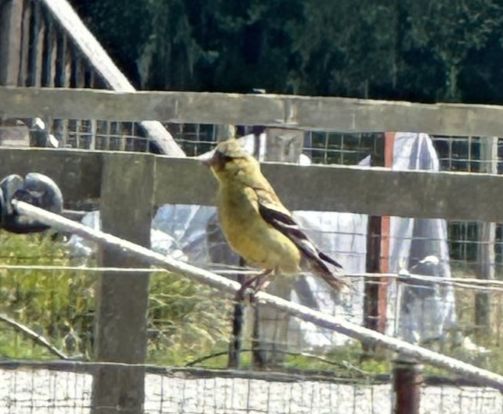
An American goldfinch
Spinius tristi
They sing and sing and love sitting on the fence-line.
They are vegetarians, eating mainly seeds, They feed their chicks seeds as well, which is unusual for songbirds.
They sing while they fly, and they sound like they are saying "potato chip, potato chip" as they bounce through the air.
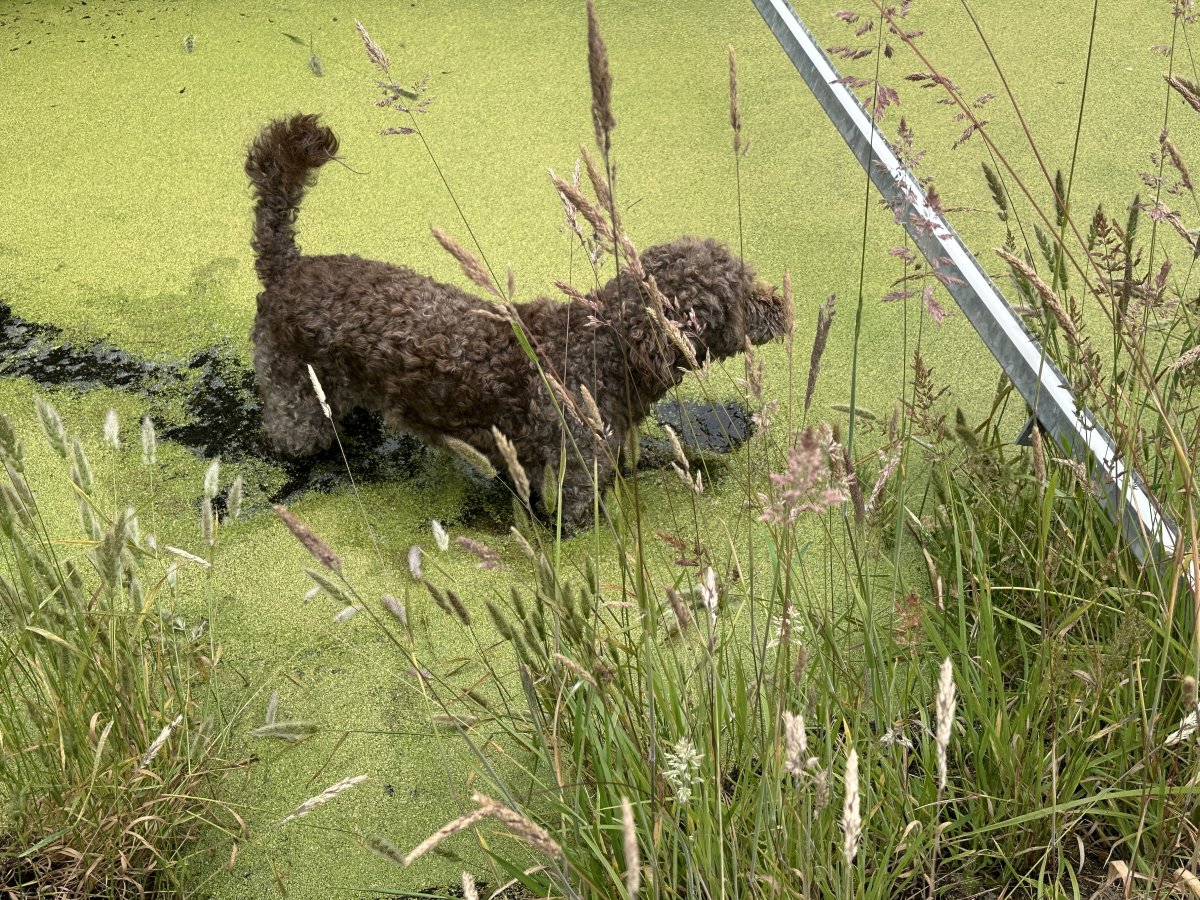
A rare Pond Lagotto
Canis lagottii nastypondii
Seen in his natural habitat, the Pond Lagotto thrives in still, swampy bodies of water.
A bath surely awaits this particular individual..
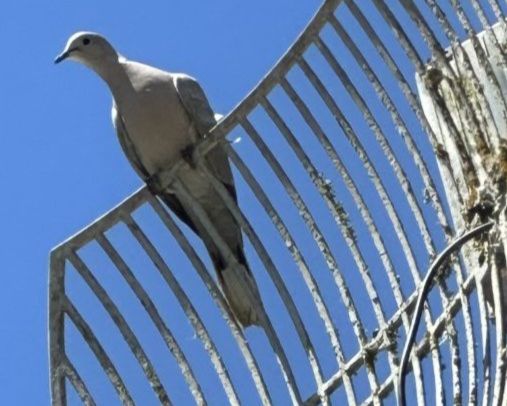
A Eurasian Collard Dove
Streptopelia decaocto
(aka Turkish Doves)
Did you think this was a Mourning Doves? So did I. Their tails are rounded - Mourning Doves have a sharp, pointy tail.
Fifty Eurasian Collard Doves escaped captivity in 1974 in the Bahamas, then made it to Florida. First seen in Arkansas in 1989, they are now everywhere.!
Interesting note: Decaocto means 18 in Latin. According to Greek mythology, the name "decaocto" comes from a story about a maid who was poorly treated and paid only 18 coins for her hard work. The gods took pity on her and transformed her into a dove, and her mournful cry sounded like "decaocto," forever reminding people of her plight and the meager wages she received.
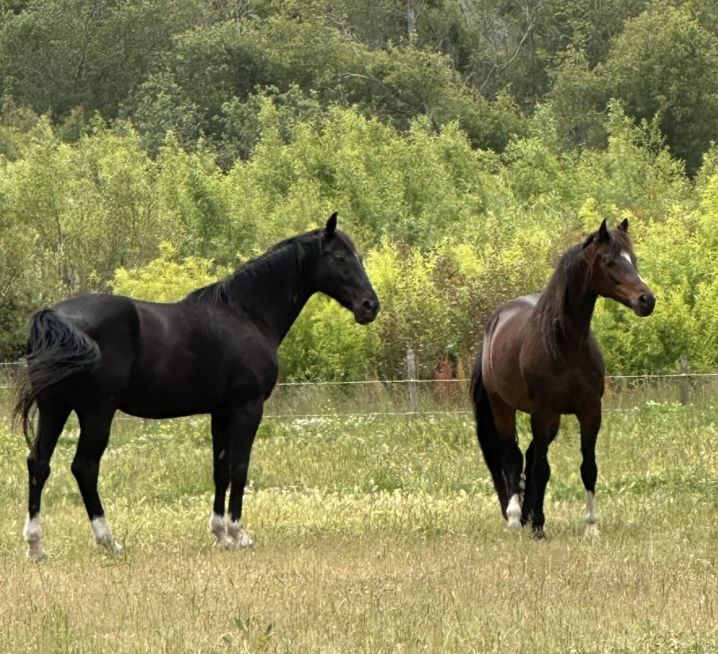
Domestic Horses
Curry Warmbloods
Equus caballus
These stunning Curry Dressage Warmbloods represent the pinnacle of domestic animal breeding.
They excel at Passage, Pirouette, and especially the Piaffe!
That's Armani on the left and Fluffy (a.k.a. Cloud 9 in competition) on the right. They are retired now and enjoying a life of leisure.
Fun fact: Horses actually take umbrage at the joke, "Why the long face?"
They excel at Passage, Pirouette, and especially the Piaffe!
That's Armani on the left and Fluffy (a.k.a. Cloud 9 in competition) on the right. They are retired now and enjoying a life of leisure.
Fun fact: Horses actually take umbrage at the joke, "Why the long face?"
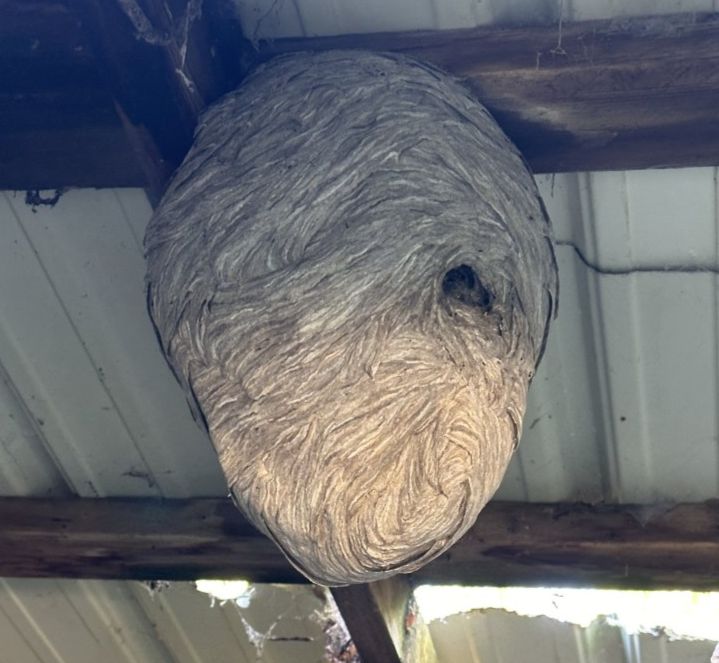
Hornet nest
Dolichovespula maculata
These guys live in the pump-house. I'm not 100% sure it's a Bald-Faced Hornet nest, but I think so. I need a telephoto lens because I'm not getting any closer.
If these are Bald Faced Hornets, yikes! They eat bees, and we like bees. They may have to go.
But what a spectacular nest!
Amazing fact: Bald-Faced Hornets have excellent facial recognition and can tell humans apart. They will go after a particular person that has threatened their nest, flying past unfamiliar faces!
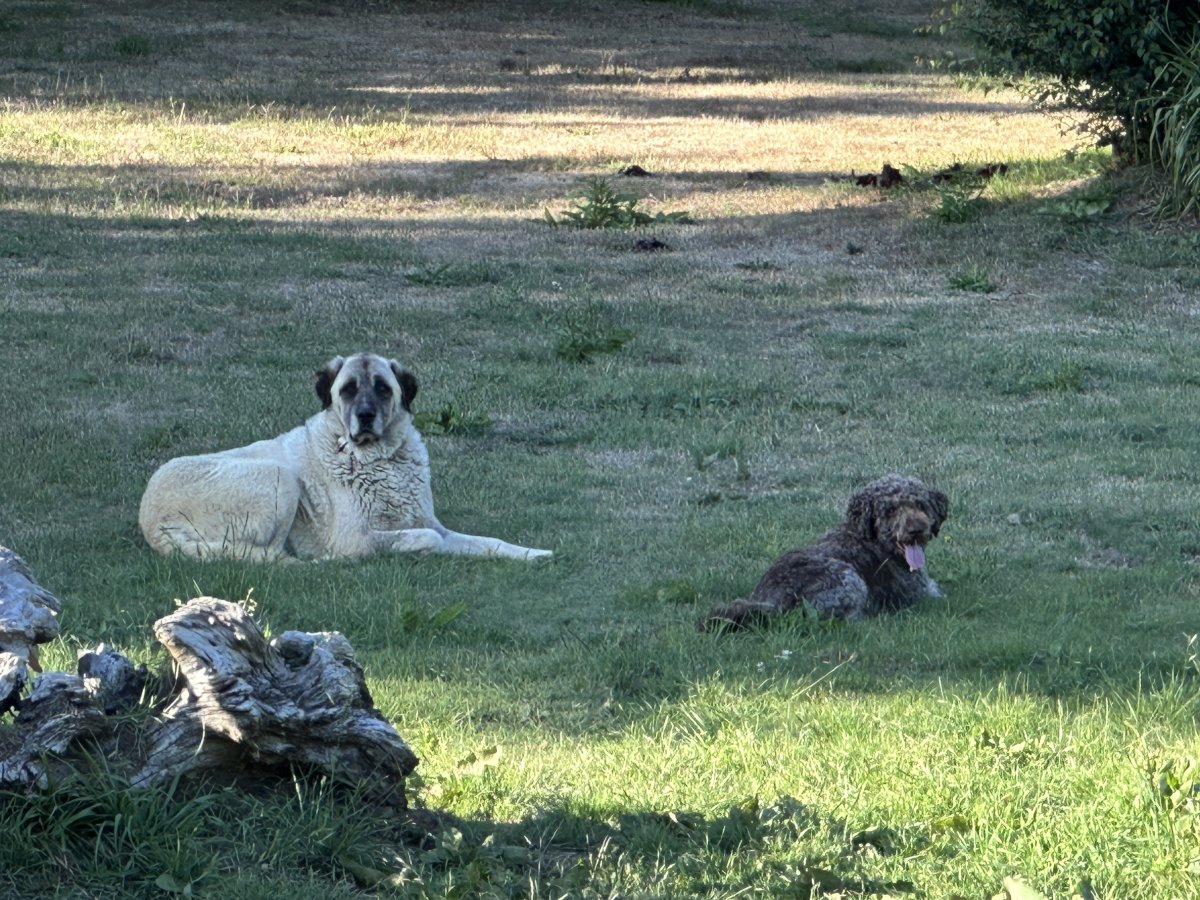
Anatolian Sheep Dog
Canis lupus familiaris
Here we see an Anatolian Sheep Dog protecting a vulnerable Lagotto.
These sheep dogs are ferocious, and will protect their flock from mountain lions, coyotes, bobcats, and any other predator that stalk and prey on helpless Lagottos.
Interesting side note: Anatolians are from Turkey, where they were originally bred to protect flocks of sheep, not Lagottos.
Interesting side note: Anatolians are from Turkey, where they were originally bred to protect flocks of sheep, not Lagottos.
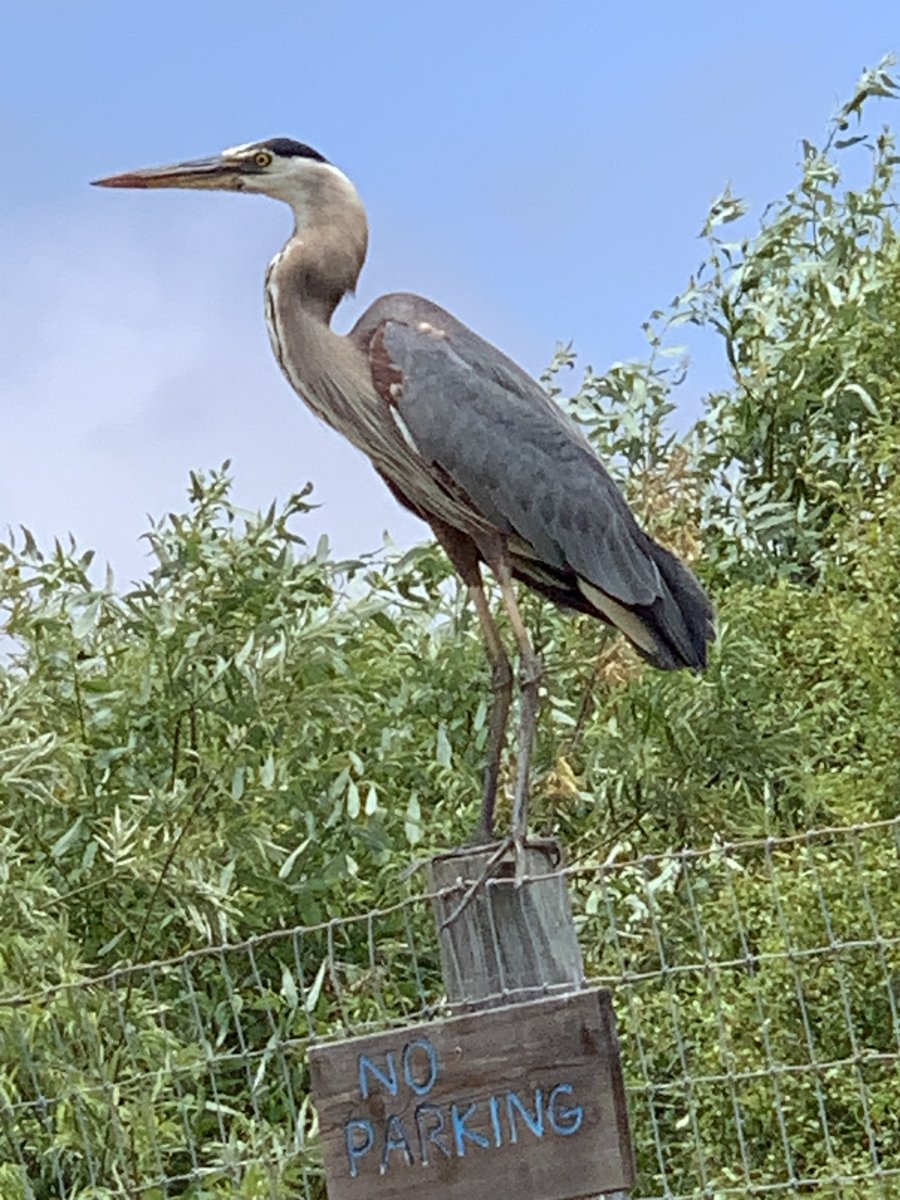
A Great Blue Heron
Ardea herodias
This guy lives and thrives around the farm. He eats gophers! He stalks them above ground, waits, then thrusts his sharp beak into the ground and comes up with a gopher, which he then swallows whole!
Please keep coming back - we have lots and lots of gophers.
Please keep coming back - we have lots and lots of gophers.
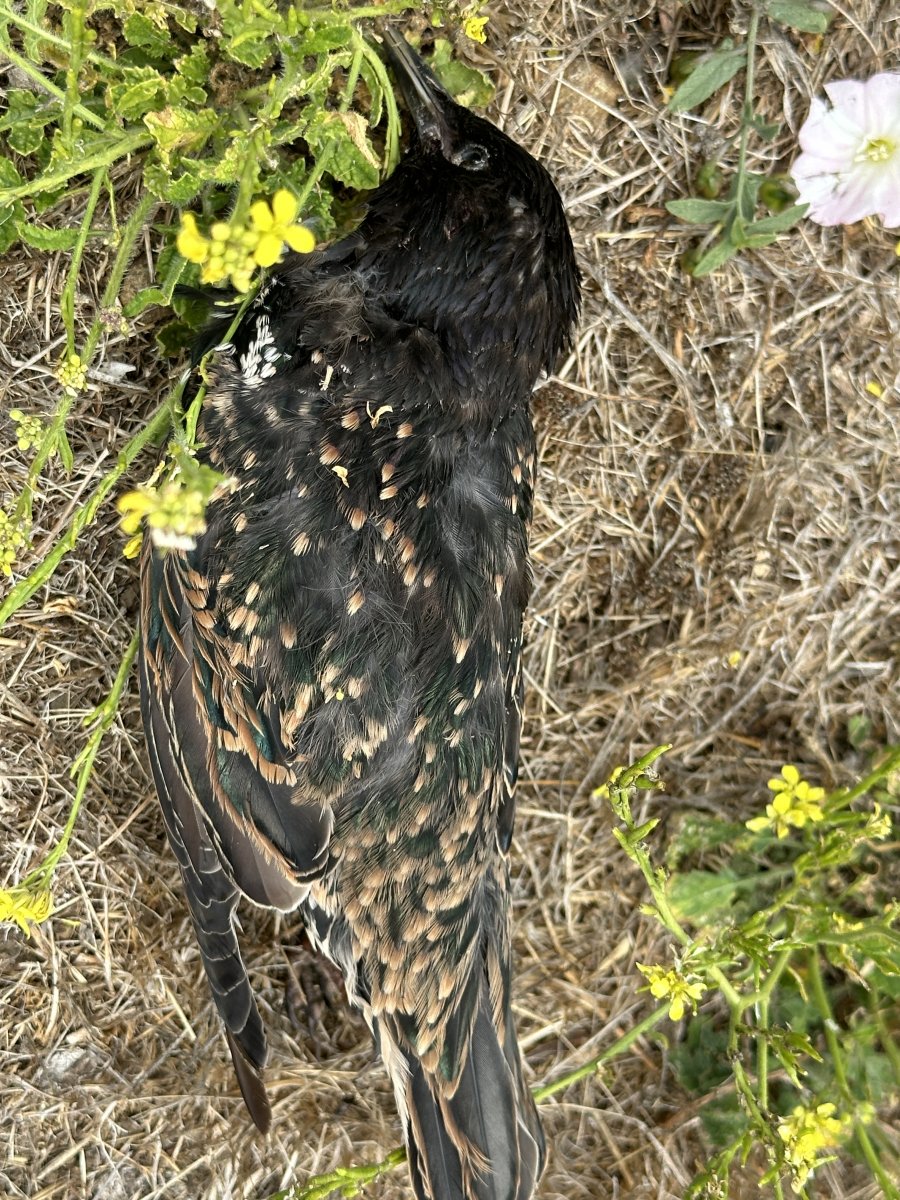
European Starling
Sturnus vulgaris
I found this starling freshly dead, but no idea why. It looks like an immature non-breeding starling because the beak is black, not yellow.
These are non-native, and considered by some a pest. They were introduced in New York City when 100 of them were released in honor of William Shakespeare, and now, well, here they are.
They can eat their body weight in food in a day.
Collective Pronoun: A murmuration of starlings, not a flock.
Fun Fact: Starlings are great mimics, and can make all sorts of interesting sounds, like a barking dog or a ringing phone.

A common Field Lagotto
Canis lupus familiaris
You see these during the day, resting quietly, often in bucolic settings.
Did you know? Lagottos are actually called Lagottos Romagnolos a breed from Northern Italy, where they are bred to find truffles. In America, my friend Harry calls them "labradoodles'.
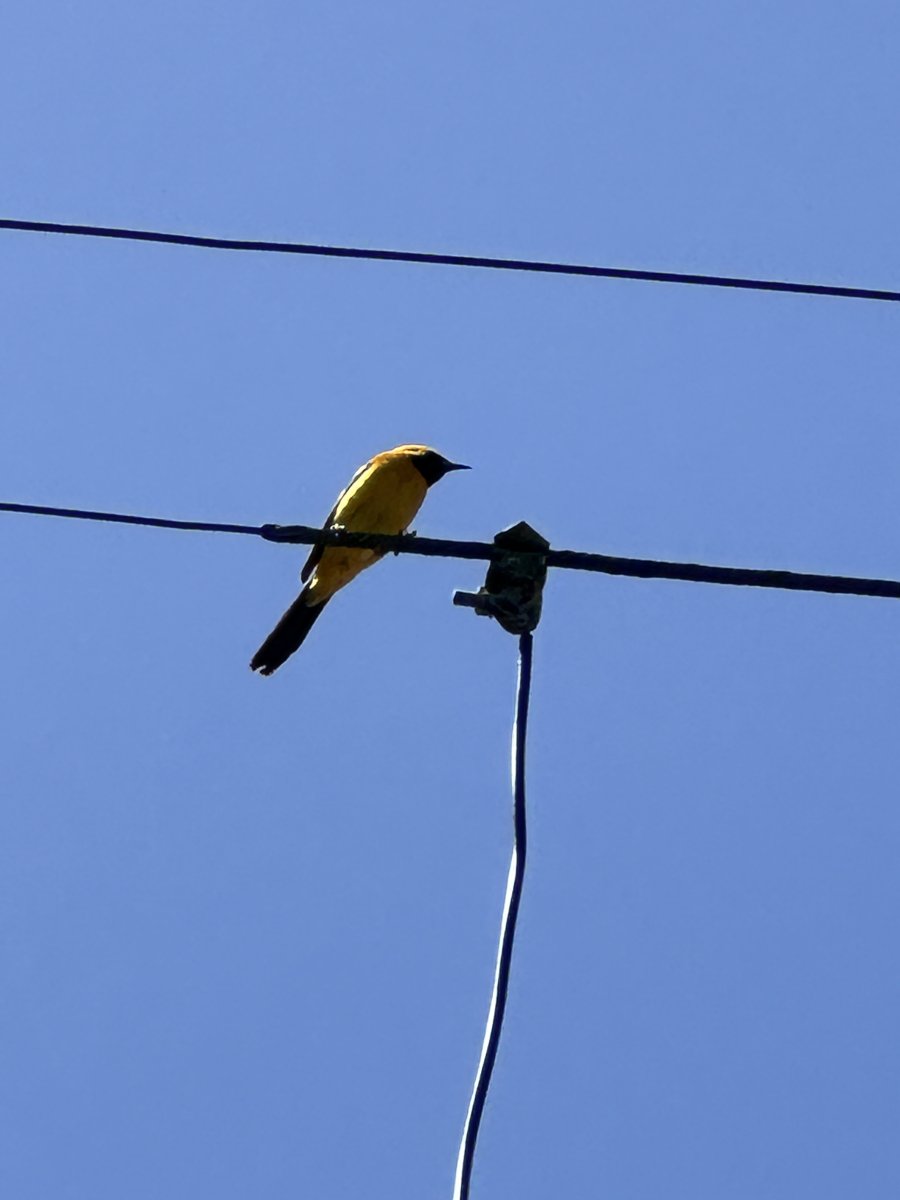
The Hooded Oriole
Icterus cuculatus
The Hooded Oriole is one of several New World orioles. We represent the most northern area of their range, and like the Sun Birds of Arizona, they migrate south to Mexico for the winter.
Collective pronouns: A flamboyance of oriloes, a plague of orioles (because of the awe-inspiring and dazzling nature of a highly concentrated group of orioles) or a pitch of orioles, acknowledging the distinctive song and harmonious trills produced by these birds!
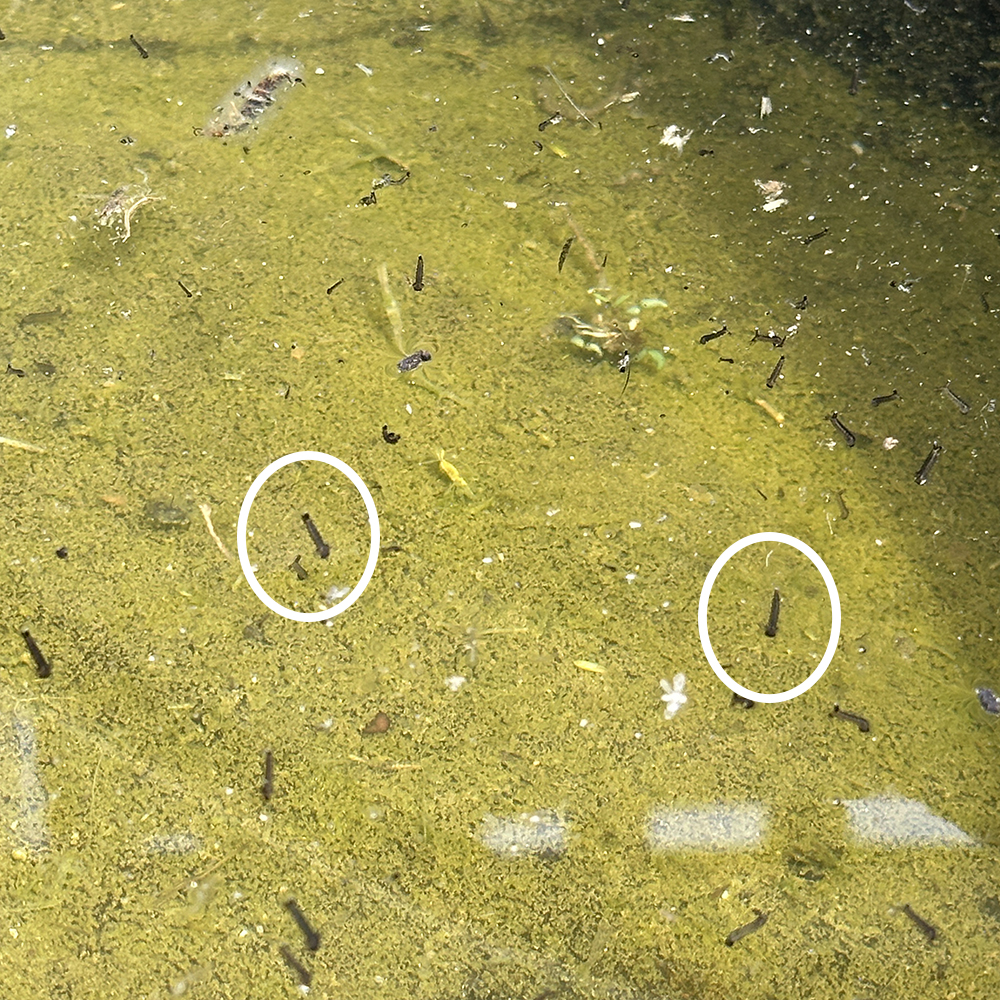
Mosquito (larvae)
Culex, Aedes, or Anopheles
These aren't mosquitoes; they're larvae! Mosquitoes lay eggs in standing water, which hatch into larvae that eventually become the flying pests we all despise.
I found these in the dog water drum and got rid of them by emptying the drum into the garden and refilling it.
I can't identify the species until I catch an adult.
Fun fact: Mosquito larvae breathe through a snorkel. A little olive or vegetable oil in the water can block their snorkels and kill them. The county also provides "mosquito fish" that eat larvae in standing water.
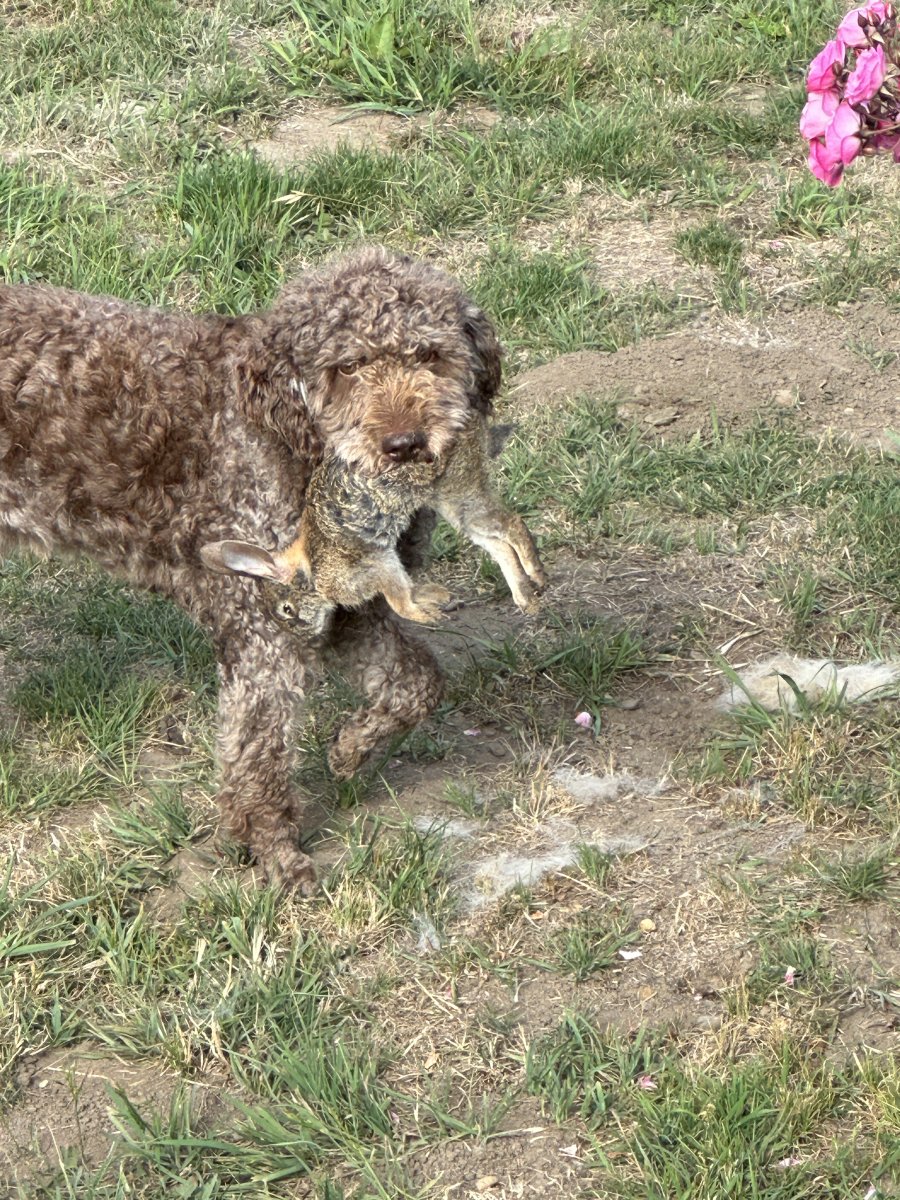
California Brush Rabbit
Sylvilagus bachmani
This Brush Rabbit is a type of cottontail rabbit. They are found all over the farm, enjoying wild and domesticated crops alike.
We were surprised to catch a rare Hunting Lagotto in the act, allowing us a good photo of the Brush Rabbit. We thought the Hunting Lagotto was extinct - we were dead wrong.
Interesting: The home-range of a female Brush Rabbit is about 1/2 acre, but the males will roam about twice that distance -- 1 acre.
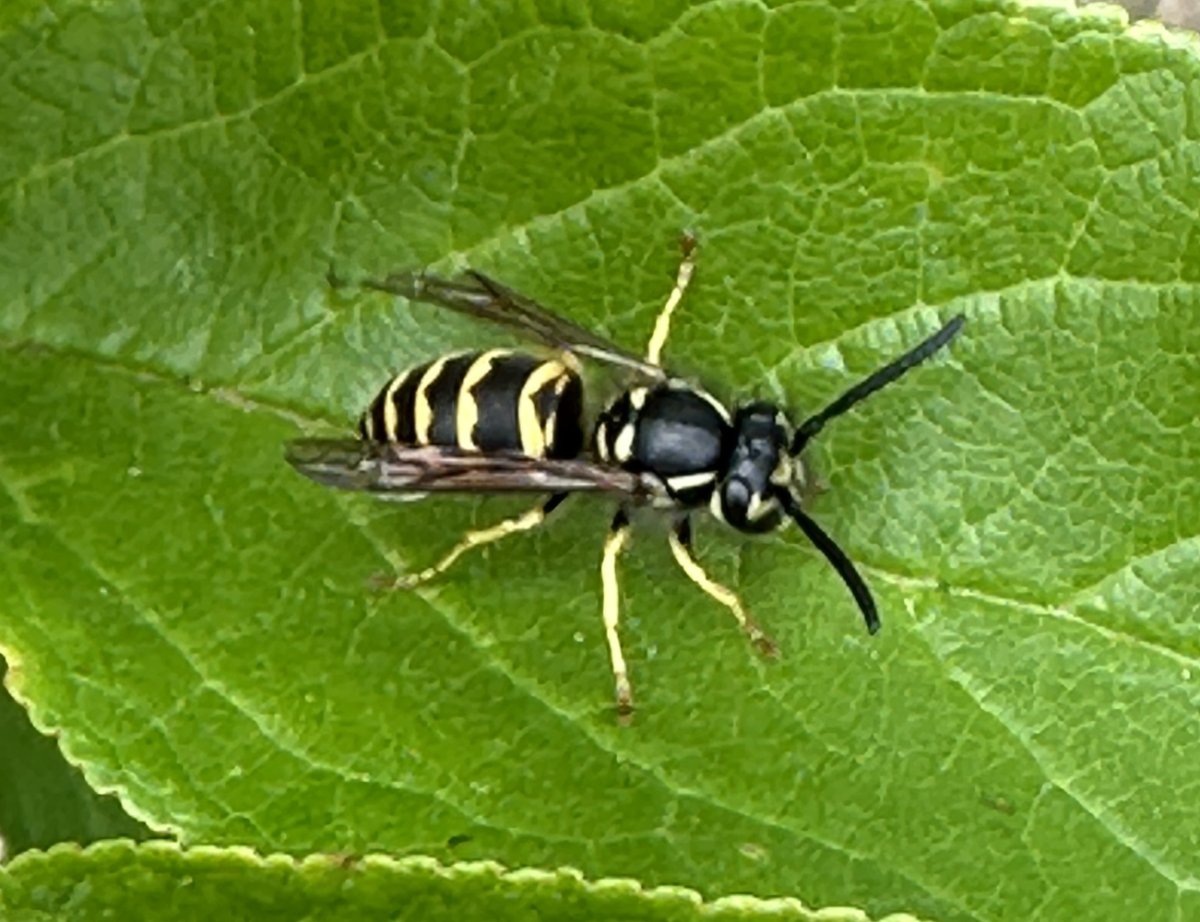
Western Yellowjacket
Vespula pensylvanica
There are a number of wasps and hornets out there, and identifying them is tricky for the neophyte. This guy is a Western Yellowjacket (he says with confidence, but not 100% sure).
I'm not sure what she's after, sitting on this pluot leaf. I don't even know where she lives. Could it be that nest in the pump-house, above? Or does she live in the ground? More investigation is needed.

Humans
Homo sapiens
We are lucky enough to catch a group of female humans congregating on the back of their nest, waiting for the males to bring them food. This behavior is typical of humans during the evening hours.
Fun fact: Humans are primarily diurnal creatures, preferring to do most of their duties during daylight hours.
Fun fact: Humans are primarily diurnal creatures, preferring to do most of their duties during daylight hours.
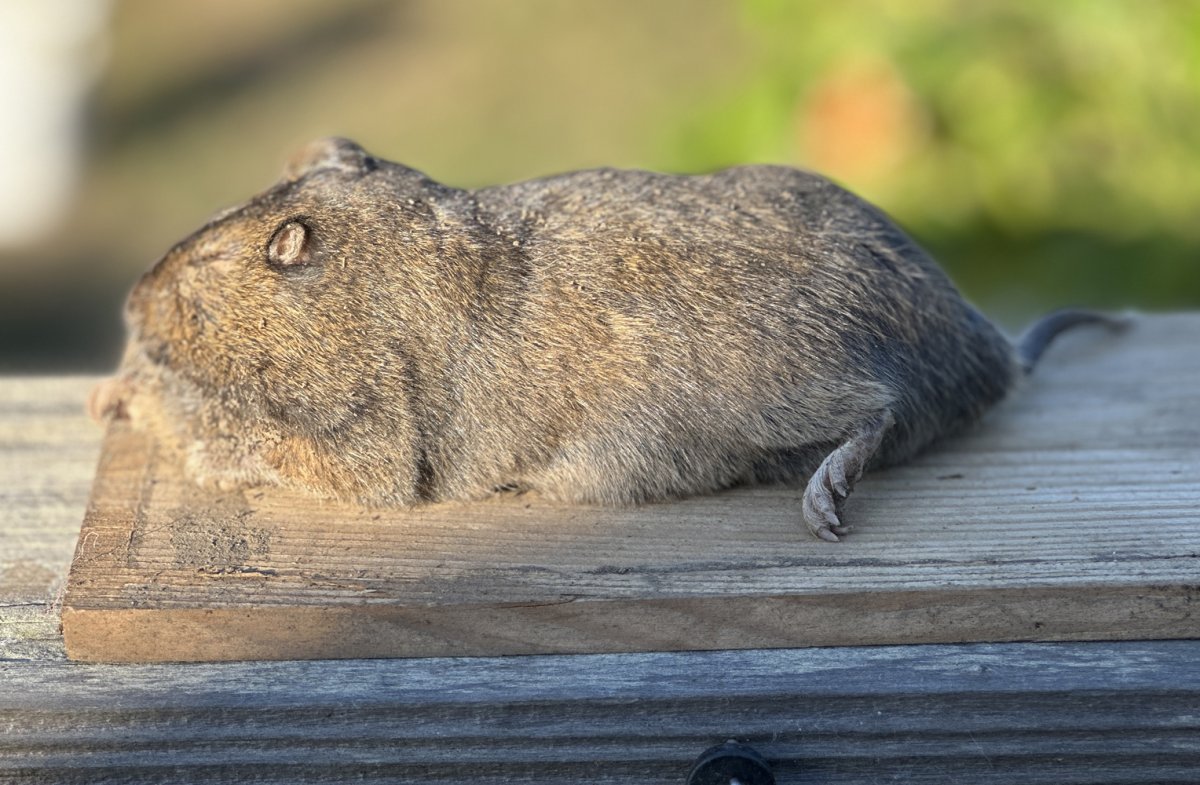
Botta's Pocket Gopher
Thomomys bottae
We have lots of pocket gophers all over. They seem to like our gladiolas.
If I can take a cuter photo of a live one, I'll switch them out..
Also known as: Valley Pocket Gopher
We are trying out different techniques to control them - the Gopher Hawk and the classic Gophinator. Results below.
Fun fact: They are called 'pocket' gophers because they have huge cheek pouches that can hoard food.
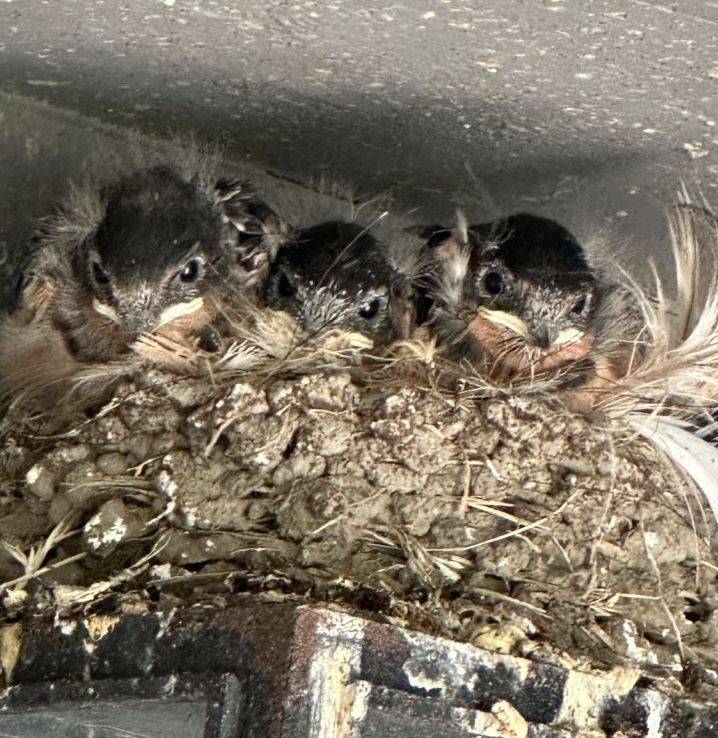
Baby Barn Swallows
Hirundo rustica
Cutest photo ever, especially juxtaposed to the dead gopher.
I'm found out that of the seven California species of swallows this is the Barn Swallow. The nest shape also gives us a clue that this is a barn swallow.
These guys were eggs three weeks ago..
Swallows eat flying insects.. They catch them in the air, which is why they are active and flying low in the mornings and evenings.
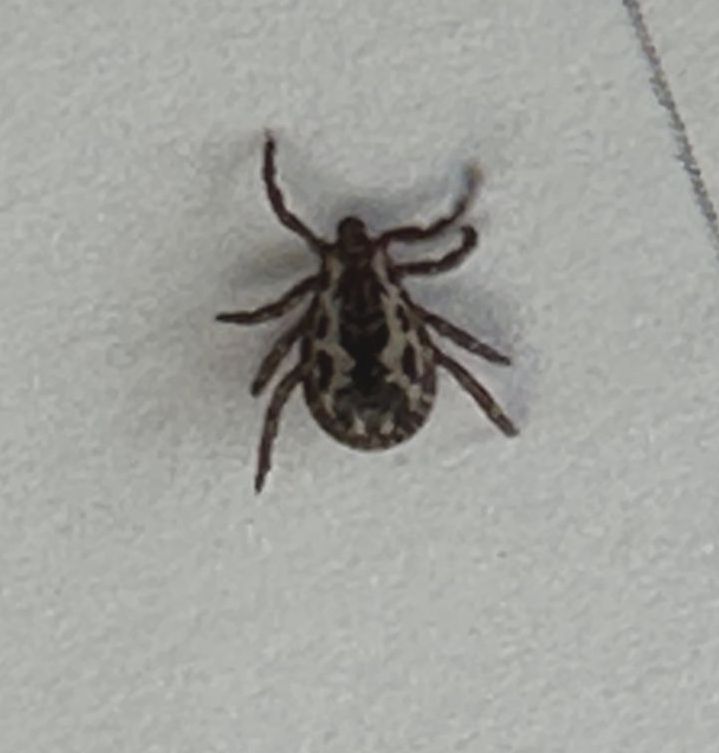
A male adult
American Dog Tick
Dermacentor variabilis
Dog ticks are common in San Mateo county. They like white clothes, and take a long time before they attach.
We have caught six of these so far and are no longer afraid of them. Well, at least one of us is no longer afraid of them.
Fun fact: Come to find out the laundry cycle does not kill them, but the dryer does.
We have caught six of these so far and are no longer afraid of them. Well, at least one of us is no longer afraid of them.
Fun fact: Come to find out the laundry cycle does not kill them, but the dryer does.
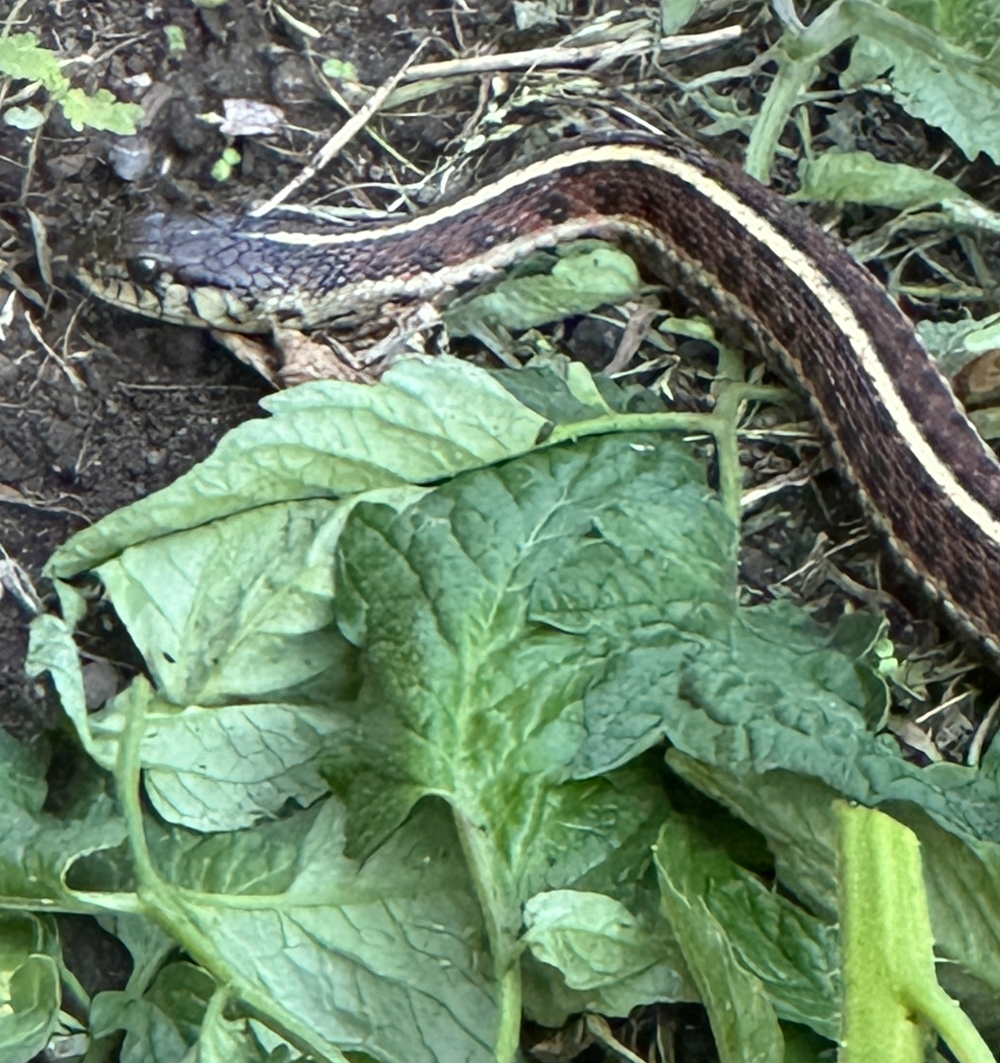
Common Western
Coast Garter Snake
Thamnophis elegans terrestris
"They scare me", says Sarah Bradley of Walnut Creek, CA
My good friend and world-renown herpetologist Dr. Dale Denardo says this is not the Ordinary Garter Snake but rather the Common Western Coast Garter Snake.
I was hoping it was a super-rare San Francisco Garter Snake, but no, it wasn't.
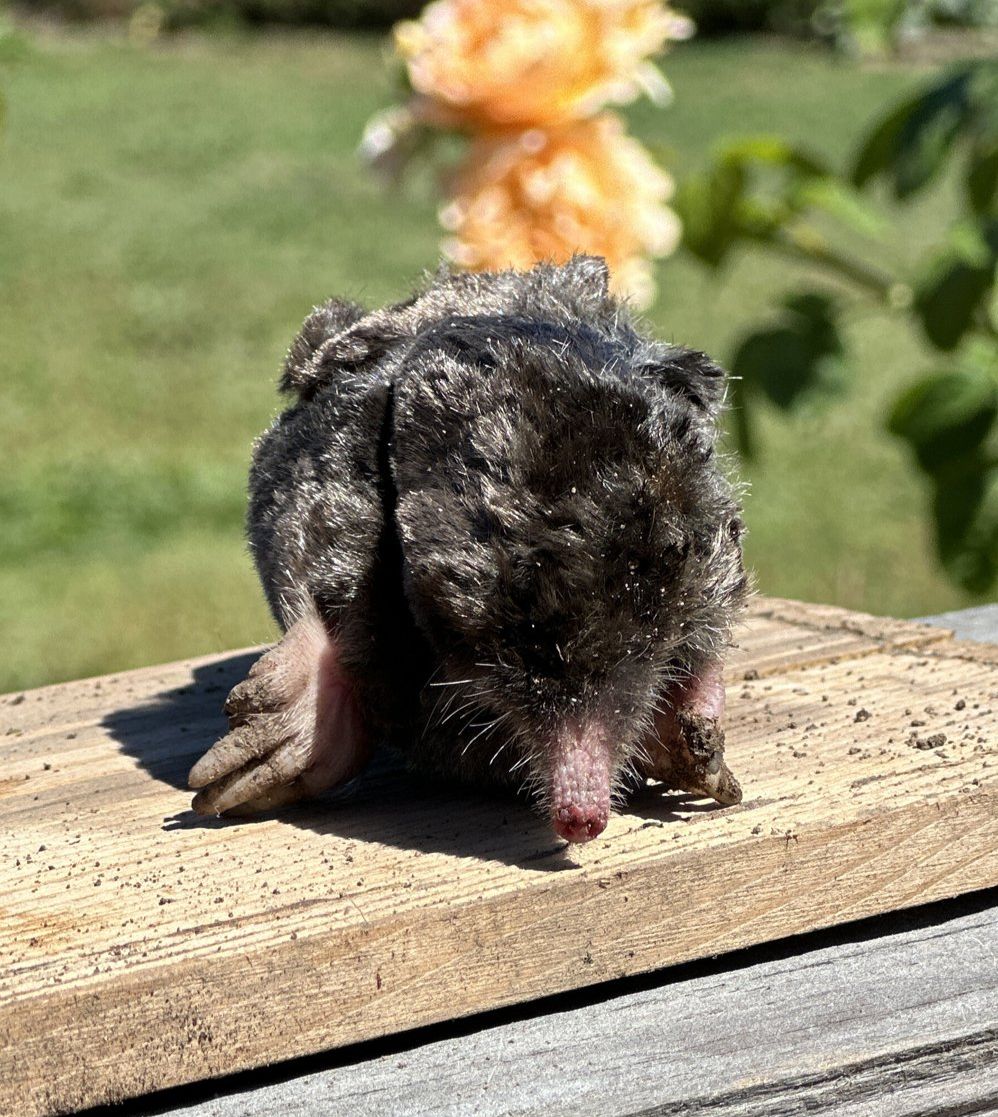
Pacific Coast Mole
Scapanus orarius
Well, it is really called the Coast Mole or the Pacific Mole. They are cute, with a very fine coat. They eat insects and earthworms.
Fun fact (unless you are an earthworm): Pacific Moles have an appetite for earthworms, which they often store alive for later snacking. They keep the worms fresh by biting the worms' heads off or paralyzing them so they can't escape.
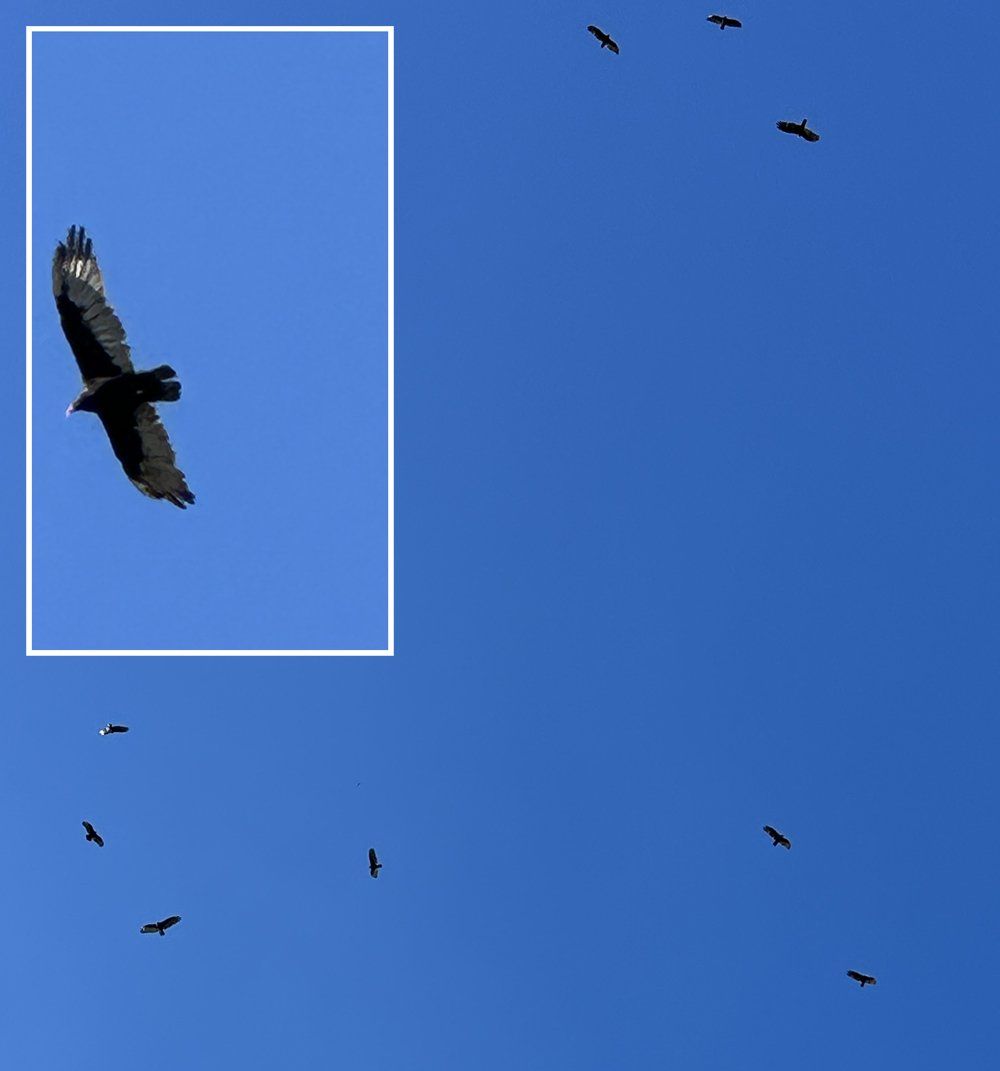
Turkey Vultures
Cathartes aura
When I asked what a flock of 26 Turkey Vultures flying over the croft meant, Neil said "something big has died". Naturally.
They can sniff dead animals over a mile away. And if you bug them and they feel threatened, they will throw up rotting flesh onto you - a home-made stink-bomb. Smart!
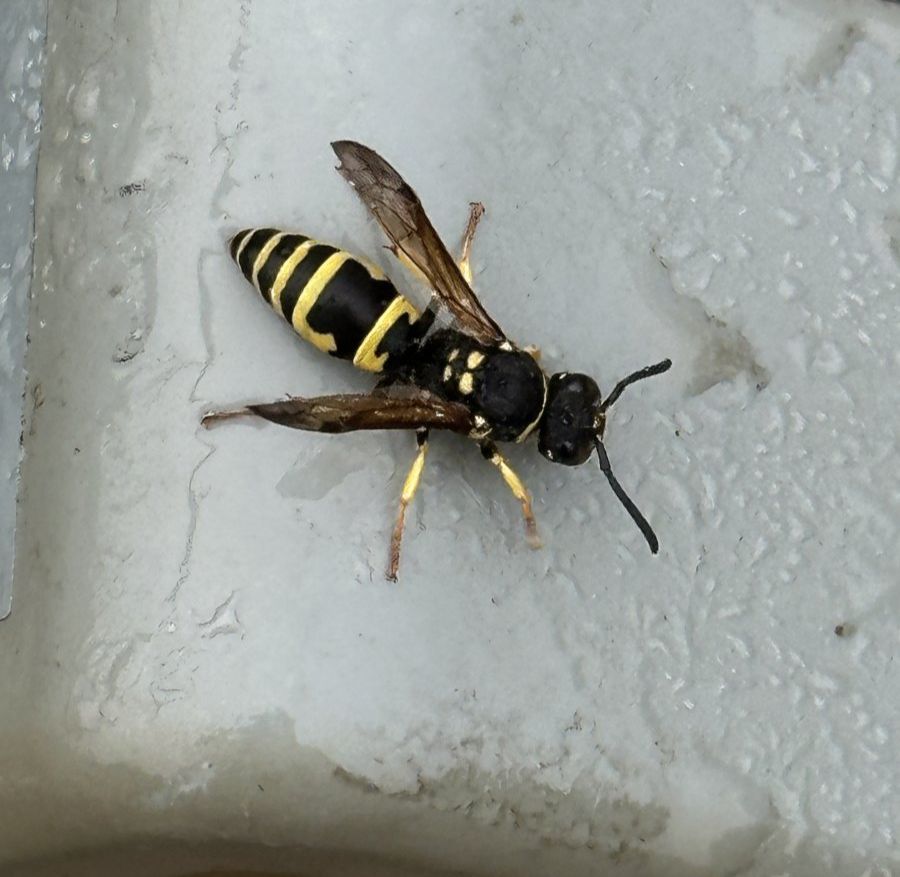
European Paper Wasp?
Polistes dominula?
Well, it isn't a Yellow Jacket, but rather a Paper Wasp. I could be wrong - this guy has black antenae, and I think the European Paper Wasp's antanea are orange. Hmmm.
There are five species of Paper Wasps in San Mateo County. I now strongly suspect this is the guy responsible for that amazing football-shaped nest in the pump-house (see above, third row).
These guys are pretty docile, but they can sting.
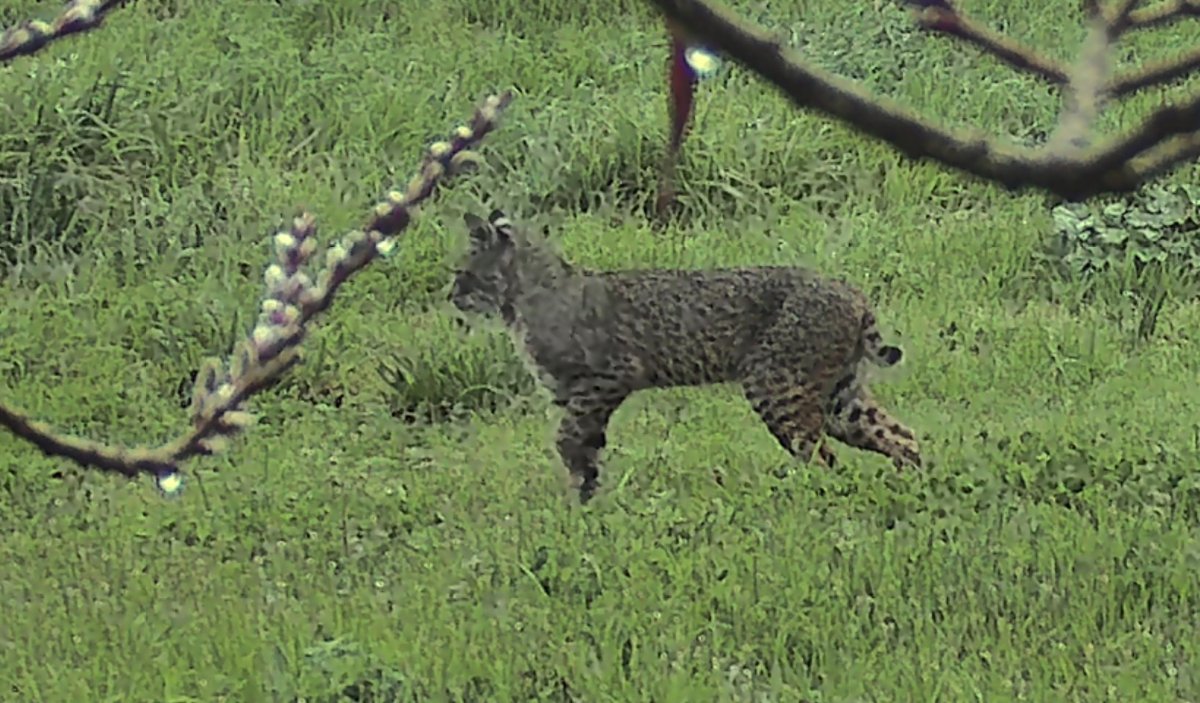
A Bobcat sighting
Lynx rufus
We finally saw a bobcat. We caught her with the new Game Camera I received as a Christmas gift!
The size of one of those common Lagottos, this bobcat was strolling south from the levee towards the mare barn.
It walked by just minutes after AJ strolled by. I think she's living in the old collapsed chicken coop.
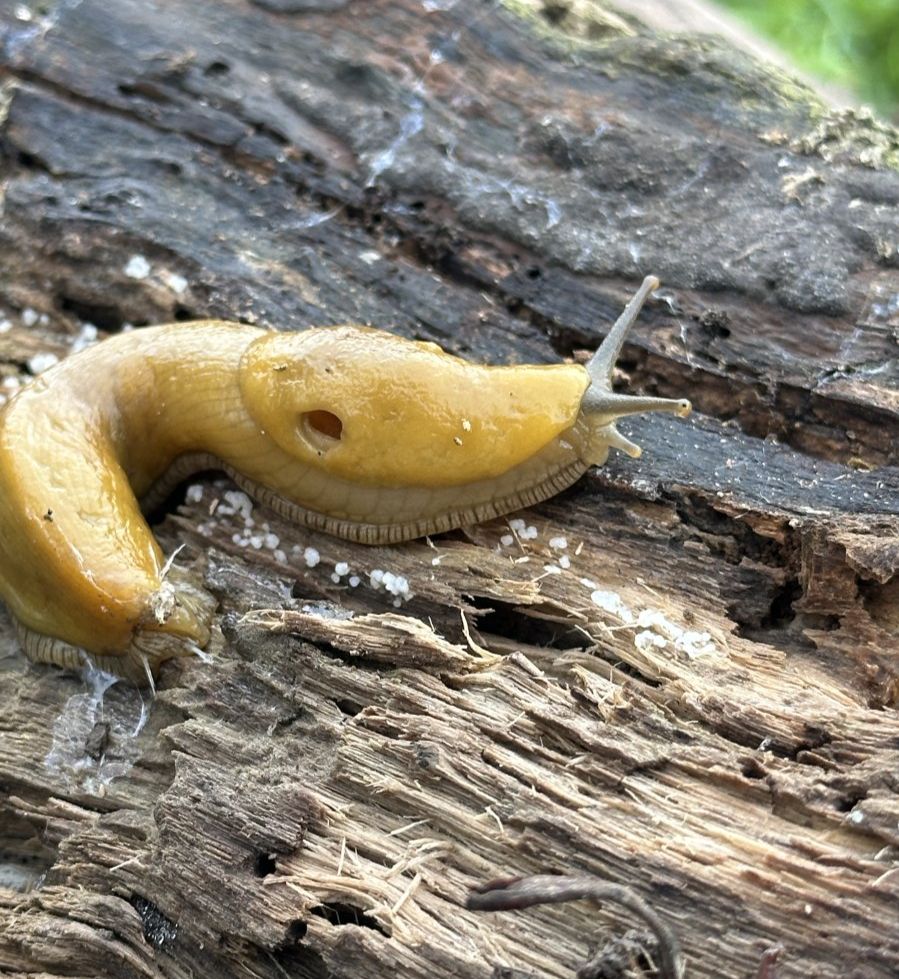
A Banana Slug
Ariolimax californicus
I was collecting rotten logs for our hügelkultur flower beds, when this guy slimed by. He's the official mascot of UC Santa Cruz.
How cool is he? Or she? Trick question! He is both male and female, allowing him the great fortune of being able to mate with himself. How wonderful is that?!
Strange but true: When they mate with other slugs, which takes hours, their penises sometimes get stuck in the other slug, so they have to chew them off. Really. This is called apophallation, of course.
Fun fact: California is only one of two states that even have a state mollusk, and this guy is it!
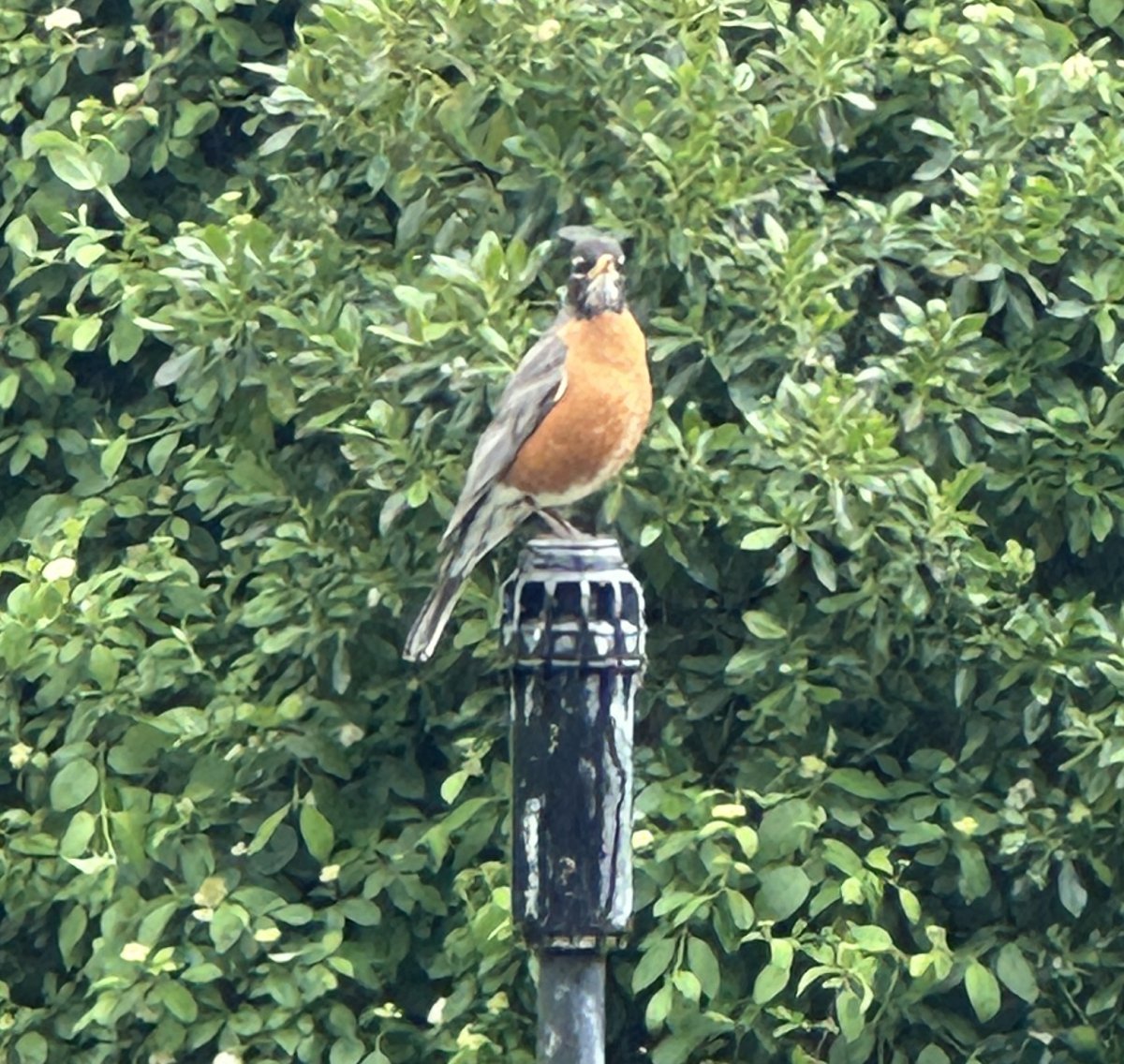
American Robin
Turdus migratorius
We see lots of American robins on the croft. They like this sprinkler head because it leaks, so they get a quick drink. You can hear them more than you see them. Click hear or on the image and you'll hear what I recorded by the creek.
It will come as no surprise that this is the #1 bird in North America, beating out the Red Winged Blackbird.
For you budding zoologists, there are seven subspecies of robins. This one is most likely Turdus migratorius propinquus.
For you budding zoologists, there are seven subspecies of robins. This one is most likely Turdus migratorius propinquus.
Did you know? Though famous for worm-hunting on lawns, robins in coastal California happily shift to wild berries, madrone fruit, and even poison oak berries when available. Well, like it or now, now you know!
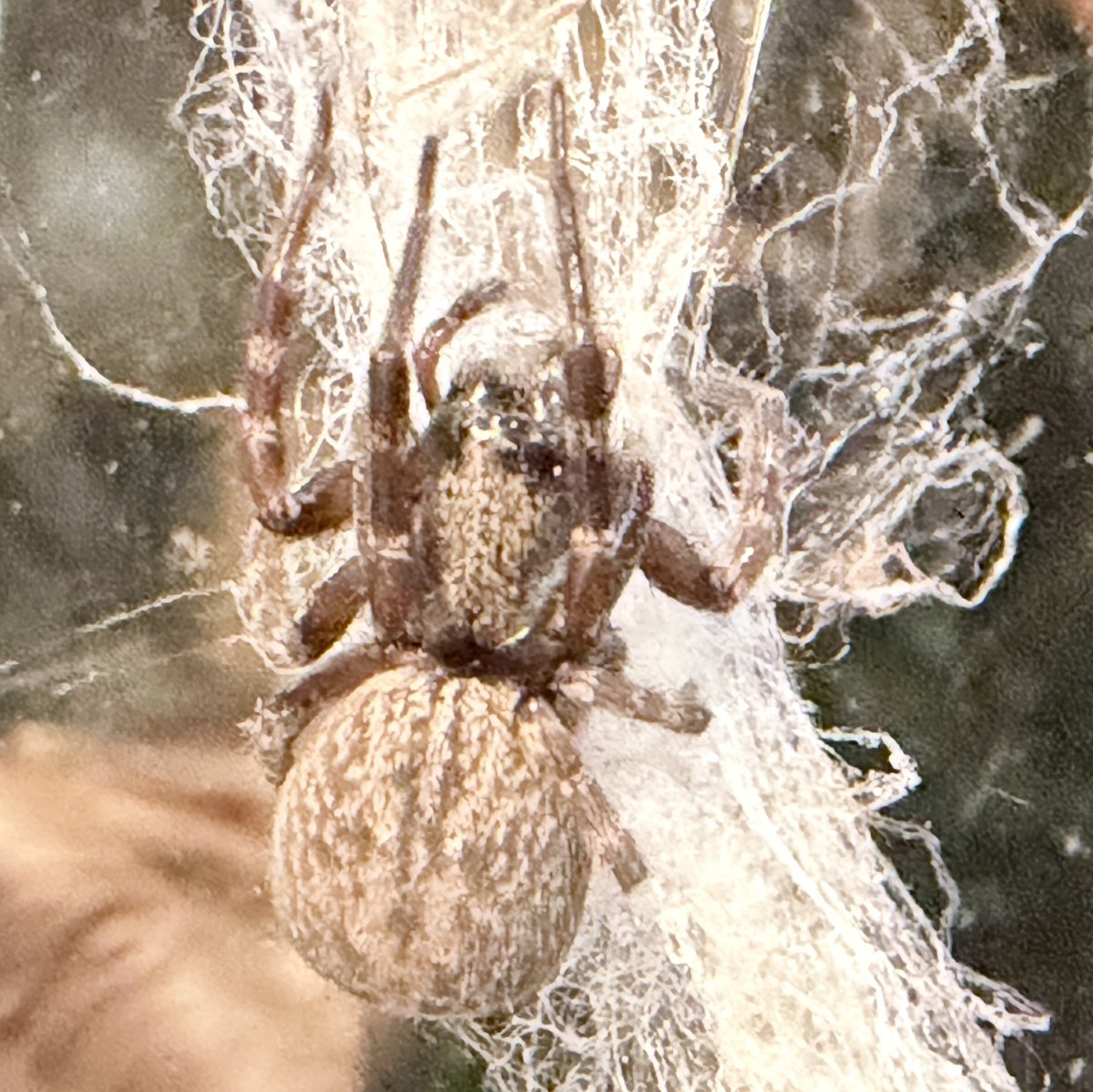
Brown House SpiderParasteatoda tepidariorum
She lives in my shop. Such a glorious latin name, but such a blah common name! When you first see her, your acachnophobia kicks in. Zonks! Yikes! And she's not small. It's only when you learn about her that you fall in love.
She's like an employee here - she eats all the mosquitos and flies. Her web looks ike a mess (read below) - a pile of filaments in a corner of my window - but the body count below her web is impressive. She's a keeper!
You'll want to know: She's not venomous and can't really bite. The devil is in the details here for sure! And unlike other spiders, her web is dynamic - she adjusts the tension of the web depending on what is caught in it. So while it looks random, it is actually quite sophisticated feat of engineering.
| Updated: 4/5/2026 | The Captured Rodents of the Willow Croft | Totals | |
|---|---|---|---|
| Voles | 7 | 7 |
|
| Rats | 14, including the one Obie caught in the barn |
14 | |
| Mice | 22 | 22 | |
| Trap Type: |
Gophinator | Gopher Hawk | |
| Gophers |
25 | 20 | 45 |
| Moles |
2 + 2 found | 3 |
7 |
| Notes: | 4 gophers w/ 14 traps in 1 day 3/17/25 |